Fixing a Hole

Dearest Readers,

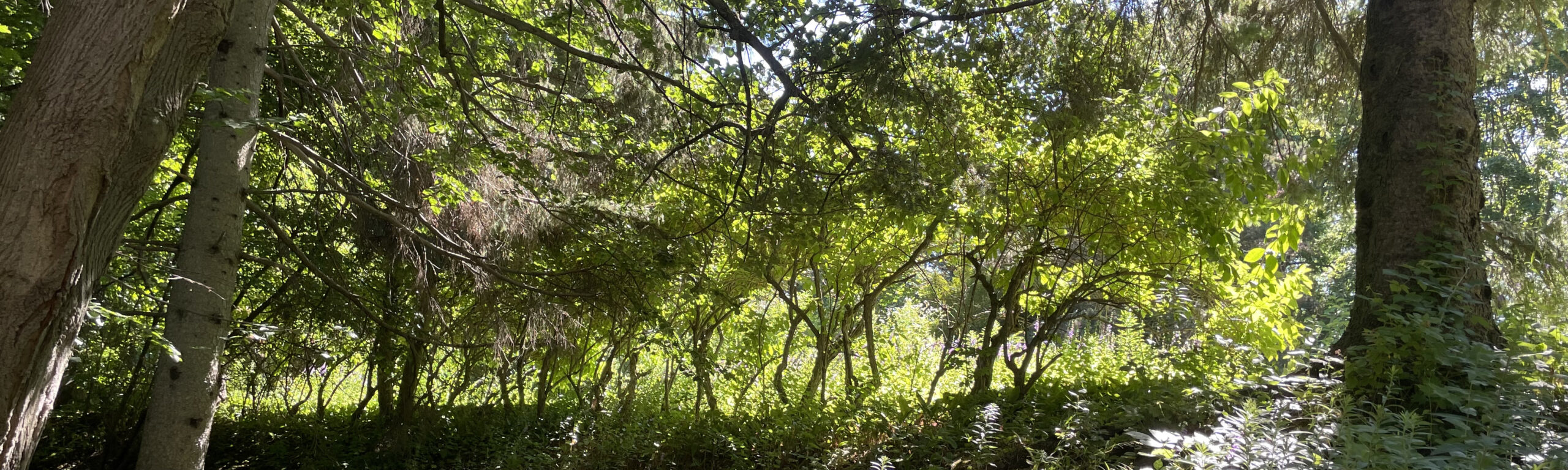
Summer has just past its peak in this little corner of the world. It has been much too dry of late but we have been spared the wildfires (so far). The forest outside my window is a palette of greens. Birds twit. Bees buzz. Squirrels and chipmunks scamper. It’s idyllic.

Then I read the news headlines and I feel heartbroken and helpless. Anger and sadness ebb and flow. I listen for the voices who are calling for justice and peace. I look for the activists who persevere. I watch Nature rebuild. We go on.

Recently, in a contemplative moment, a memory returned to me: when I was three or four, I climbed down into a hole in our backyard that had been dug for a fence post. The hole had been covered over with a board and we’d been told not to go near it but what did I do? I pulled the board away and shimmied down into the hole, wedging myself in so tightly that the fire department had to come and dig me out.

The event was traumatic for my parents. For me, it was the opposite. I remember only being in the hole with my face gently pressing on the wall of cold, damp clay, typical of Yukon soil. There was no fear. I felt happy and safe.

What possessed me to defy the parental no-no and subject myself to an emergency rescue? Did I want to see what would happen? Was I trying to get away from a stressful home life? Did I wish to disappear from the world? All of the above?

I’m curious about that little girl who found solace in being trapped in the earth, breathing in the mineralic smell of the clay. When the memory resurfaced, I wondered if she might be trying to tell me something today.

Dig in.

Go deep.

Breathe with the Earth.

With the world such as it is, these simple directives feel crucial. In the face of despair, I commit to maintaining the spiritual practices and soul work that bring the change I want to see in the world.

Does your younger self have wisdom for you, too?

On the path,

Celia

What, Me Racist?

Yesterday I posted a video on YouTube in reaction to the question asked by 2016 Oscar host Chris Rock during his opening monologue: Is Hollywood racist? In the video I’m asking a deeper question, “Am I racist?” and making a point about coming to terms with our inner racism and healing the shame that stems from inheriting the crimes of our ancestors. My sense is that the inheritance of unhealed shame is a large part of our inherent racism and a core reason why full equality has not yet been attained between white people and all persons of colour in our “integrated” societies.

The dictionary on this computer defines shame as “a painful feeling of humiliation or distress caused by the consciousness of wrong behavior.” When shame goes unaddressed, when I am unable to bear the humiliation and distress caused by my awareness of wrongdoing, when I do not know how to reconcile the inner pain, then the painful feelings turn outward. They become resentment, anger, judgment, and, in extreme cases, pure hatred. My shame has turned to blame. Instead of not liking myself I start not liking you.

To the best of my knowledge my own personal family heritage does not include any slave owners and yet it was my collective ancestors who participated in the slave trade. It was my collective ancestors who participated in the genocide of the First Nations people. It was my collective ancestors who participated in countless crimes against non-Caucasian people here in North America and all over the world. Their blood is in my veins.

As a white person today I have unwittingly inherited all of these sins, or crimes, or wrong actions of yesterday. I can deny that this causes me deep-rooted shame or I can accept it. If I deny it then the unhealed guilt and shame breeds inner racism: contempt and fear and, ultimately, a felt sense of separation. If I accept it then I must be prepared to participate fully in my own healing and the collective healing of our wounded culture.

Because are we not all wounded people? Do we not all have dis-integrated parts that have gone unhealed and remain broken and fragmented due to the trauma of wounds from our personal past? Collective wounding works the same way.

In order for true reconciliation to take place, the trauma of the wounded must be healed and the shame and guilt of the perpetrators of that trauma must also be healed. This healing work needs to be done both individually and together. Full integration happens for the individual when I admit I’m wounded, confront my shame and begin the inner journey to wholeness. Full integration will happen for our societies when injured parties and perpetrators come together as one to address and take responsibility for all sides of our shared global-historical-cultural trauma.

Inspiring Message of the Day: There is, in actual fact, only one race and if I am human then I belong to it.